
India's Scrap Market is Organizing
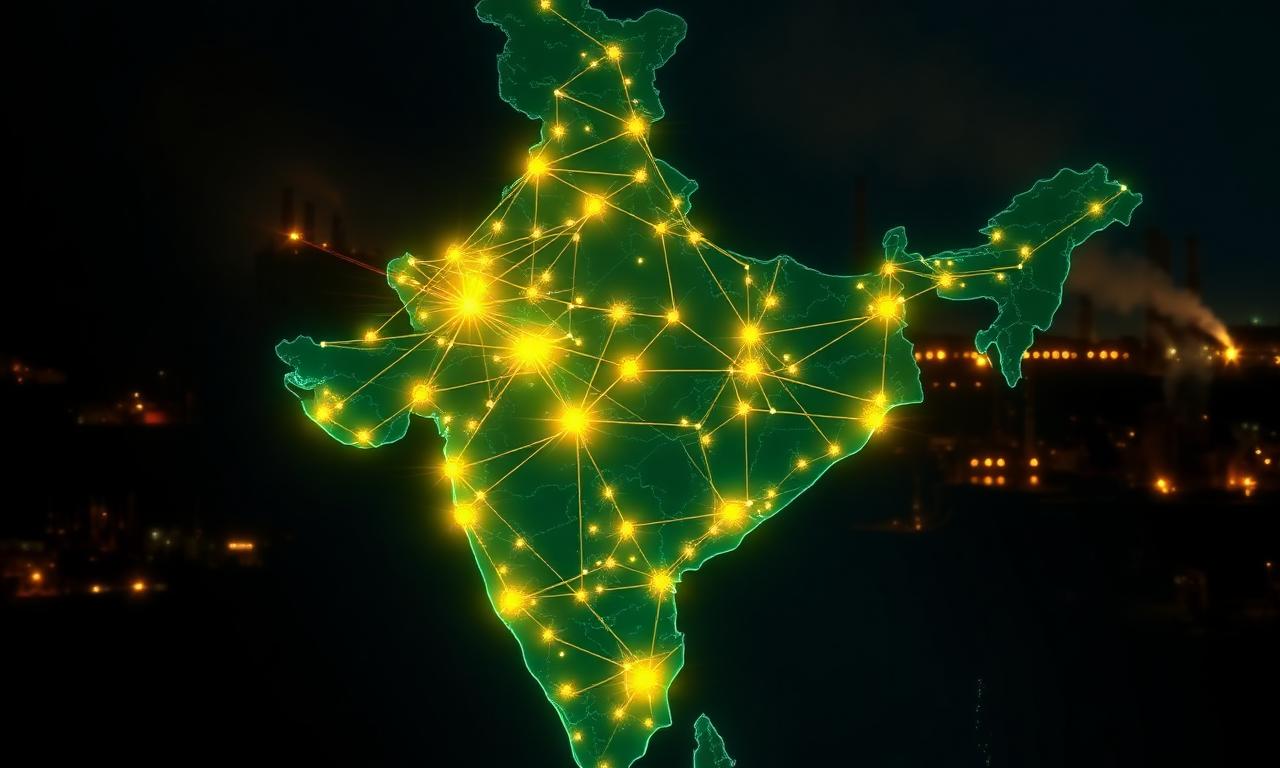
Scaling to Meet the 300 MT Target
India is aggressively targeting a crude steel production capacity of 300 million tonnes by 2030, heavily pushing secondary steel production. This policy shift has turned metal recycling into a multi-billion dollar industry.
Yet, over 70% of the scrap collection network remains in the unorganized sector — a structural bottleneck that limits how fast corporate foundries can scale.
The Bottleneck of the Unorganized Sector
As corporate foundries scale up, they cannot source from an untraceable network. They require GST compliance, consistent quality grading, and auditable payment trails. The traditional broker-led supply chain simply cannot meet this bar.
LohaLink: Organizing the Unorganized
LohaLink is capturing this massive market opportunity by giving MSME scrap yards enterprise-grade tools that were previously reserved for large corporates.
100% Tax & KYC Compliance standardizes the base of the supply chain — every yard is GSTIN and PAN verified before listing.
Digital Consolidation aggregates thousands of verified yards into a single dashboard for foundry procurement teams.
Financial Formalization moves transactions to secure, instant digital escrow payments — replacing PDCs and cash with auditable, RBI-grade settlement.
The operating system for the transition
The Indian scrap market is maturing. LohaLink is the operating system for this transition. Metal Linked.