
Grading in the Field: Telling HMS 1 from HMS 2 Before You Pay
A practical inspection checklist for buyers and yard supervisors — thickness, contamination, bulk density and the four rejections worth walking away from.
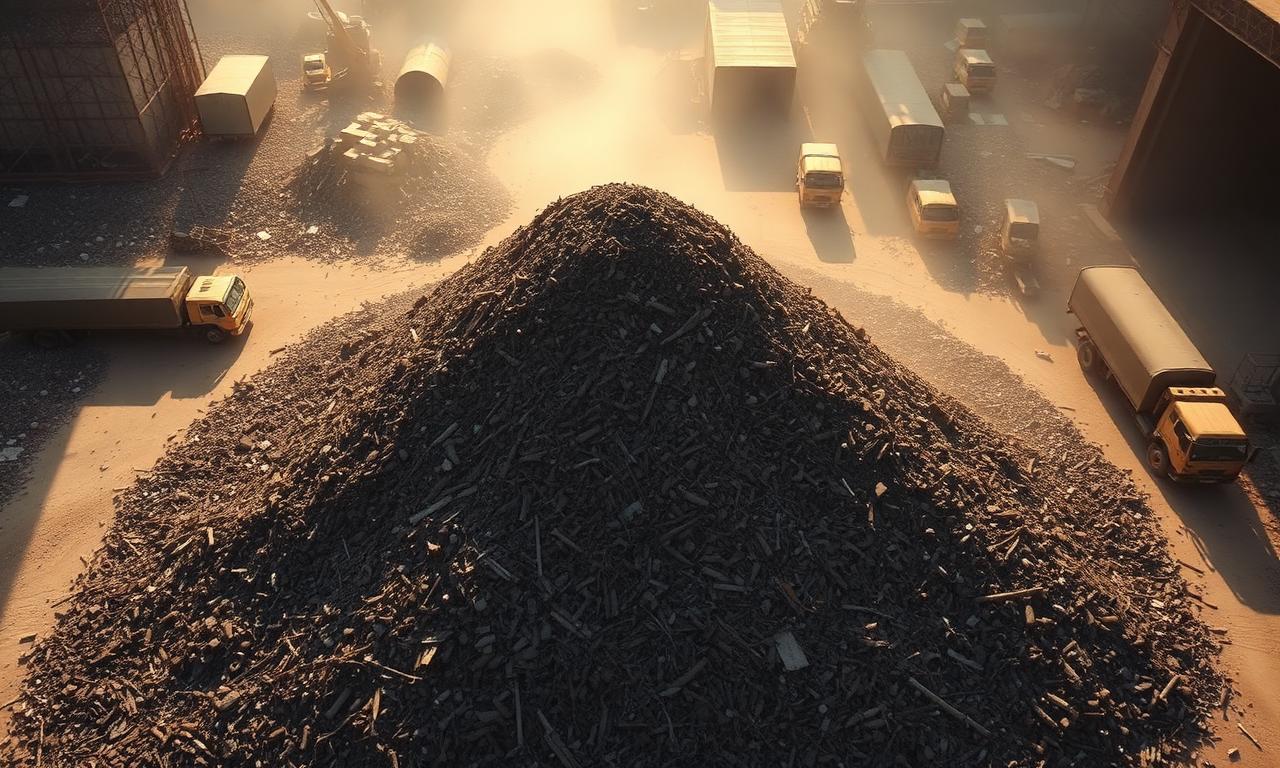
Start with thickness, not appearance
HMS 1 is defined by a 6mm minimum thickness and the absence of coated, sealed or cast pieces. HMS 2 permits 3mm and above and allows galvanised sheet. A yard walk with a simple gauge settles most grade arguments in ten minutes.
The four rejections worth walking away from
Certain contaminants cost far more than the tonnage is worth, either through yield loss or safety risk.
- Sealed containers and closed pipes — explosion risk in the furnace
- Oil-soaked turnings and coolant sludge — yield loss and emissions
- Non-ferrous attachments and bearings — chemistry contamination
- Concrete-embedded structural pieces — dead weight billed as steel
Bulk density decides your real cost per tonne
Two lots at the same rate can differ by 15% in delivered value if one is loose sheet and the other is prepared heavy melt. Ask for the loaded volume alongside net weight, and price light material at the discount it deserves.
Document the grade before the truck leaves
Geo-tagged loading photographs, a declared grade band and a weighbridge slip captured at dispatch turn a subjective argument into a factual one. On LohaLink each lot carries this evidence, and AI vision analysis flags visible contamination before the buyer commits funds.