
Green Steel Starts in the Scrap Yard
Every tonne of scrap melted instead of ore avoids roughly 1.5 tonnes of CO2. Why organised scrap sourcing is India's cheapest decarbonisation lever.
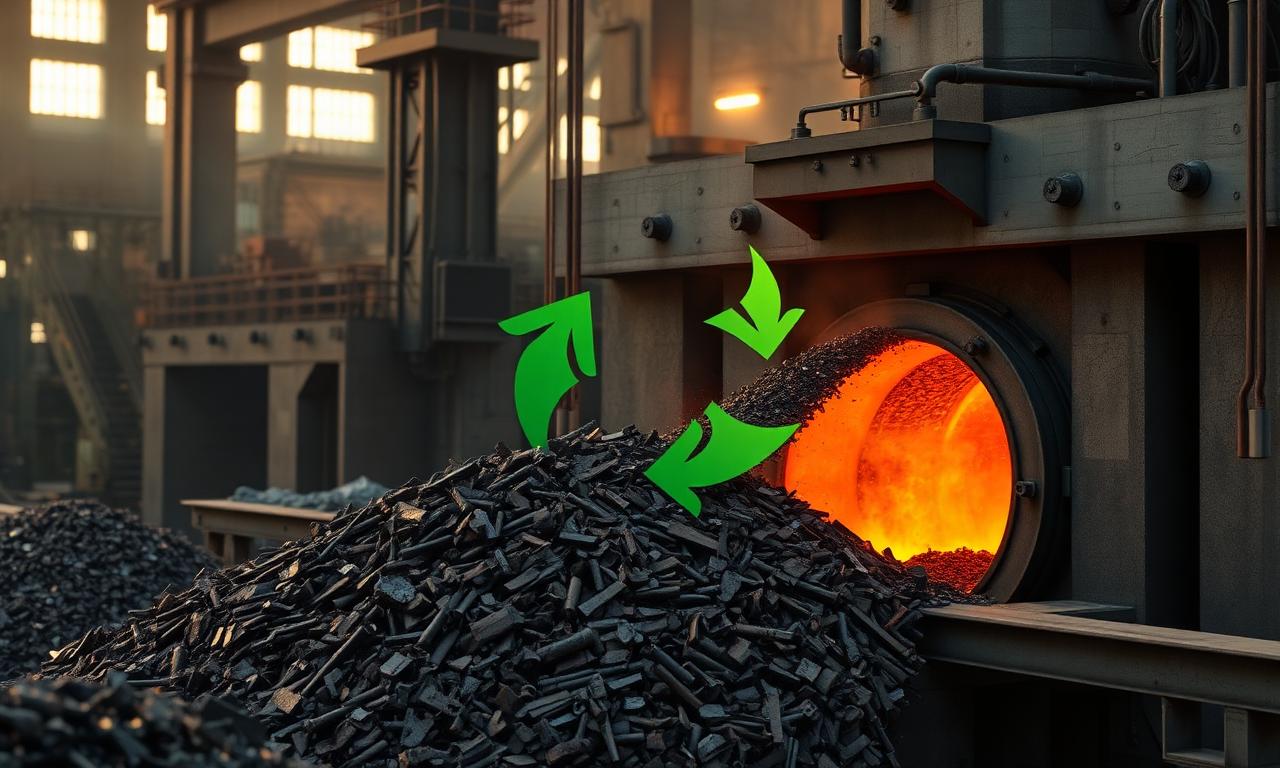
The arithmetic of secondary steel
Melting scrap in an induction furnace or EAF avoids the reduction step that dominates the carbon footprint of primary steelmaking. At national scale, raising the scrap share of the charge mix is the fastest emissions reduction available to Indian steel without new capital plant.
The bottleneck is not technology, it is trust
India's collection system is fragmented across lakhs of informal yards. Furnaces would happily raise scrap share if quality and weight were predictable. The constraint is verification — grade evidence, honest weighment and payment certainty — not furnace capability.
What an organised marketplace changes
When each lot carries verified tonnage, grade evidence and escrow-backed settlement, buyers can substitute domestic scrap for imported material and for ore-based feed with confidence. That substitution is where the carbon saving actually happens.
- Verified counterparties reduce rejection and re-handling
- Weight validation removes the incentive to over-declare
- Traceable invoices support customer-facing emissions reporting